

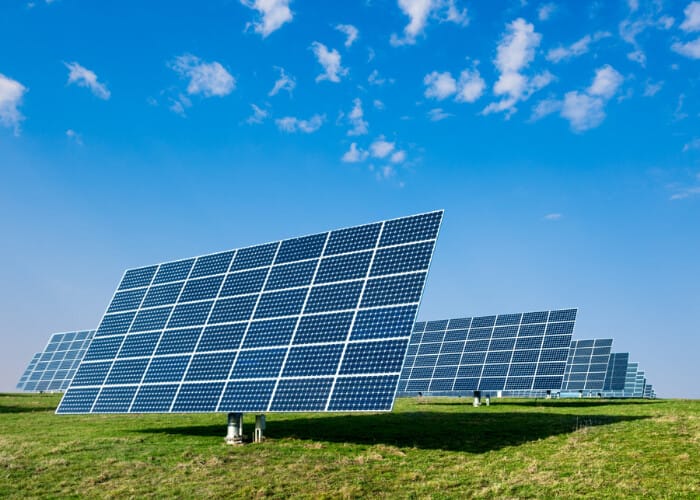
A commercial building can need anywhere from a few dozen to several hundred solar panels, depending on its electricity use, roof space, panel size, sunlight, and energy goals. A small office will have very different needs from a warehouse, retail property, or industrial facility.
For businesses considering commercial solar panels in Alberta, the right panel count should come from the building’s actual energy needs and available installation space. There is no single number suitable for every property. A proper site and energy review can determine a practical system size and the number of panels needed.
Commercial Solar Panel Needs Vary by Building
Every commercial building has its own energy profile. An office may use electricity mainly for computers, lighting, heating, and cooling. A warehouse may have large lighting systems and equipment. An industrial property can have much higher demand because of machinery and production processes.
The building’s yearly electricity use provides an important starting point. Utility bills can show how much power the property uses across different months. Looking at a full year gives a clearer picture than reviewing only one bill.
The goal is to understand how much electricity the solar system should produce. Some businesses may want solar to cover a large part of their electricity use, while others may have different energy goals.
Panel Size Affects the Total Number
1. Power rating: Higher-output panels can produce more electricity from each panel, which may reduce the total number needed.
2. Available roof space: Larger-output panels can be useful when roof space is limited, as fewer panels may be needed for the required system size.
3. Panel dimensions: Physical panel size matters because the available roof area must accommodate the panels along with required access space.
4. Overall system design: Panel wattage should be considered alongside roof layout, equipment quality, electrical needs, and installation requirements.
Roof Space Sets a Practical Limit
A large commercial roof does not always mean there is room for a large solar array. Parts of the roof may already be occupied by heating and cooling equipment, vents, skylights, drains, or other structures.
Access areas also need to remain available for safety and future roof work. Shading from nearby buildings or trees can further affect where panels should be placed.
Roof condition is another important consideration. A solar project should take the current condition and expected service life of the roof into account. Good planning can prevent avoidable problems later.
Electricity Use Guides System Size
Electricity demand is one of the strongest factors behind solar system sizing. A property with high power use may need a larger system than a smaller building with lower demand.
Consider two simple examples. A small professional office may have modest electricity needs and require a relatively small solar array. A large warehouse operating equipment throughout the day may need a much larger installation.
The type of business matters too. Retail stores, schools, agricultural facilities, offices, warehouses, and industrial sites can all have different electricity patterns.
For businesses exploring commercial solar in Alberta, reviewing actual energy use makes it easier to create a system suited to the property rather than relying on a general panel estimate.
Alberta Conditions Influence Solar Production
Solar panels do not produce the same amount of electricity every day. Production changes with daylight hours, weather, shading, panel direction, and seasonal conditions.
Alberta has good solar potential, but winter and summer conditions are different. Summer provides longer daylight hours, while winter has shorter days. Snow and cloudy weather can also affect short-term production.
A commercial solar system should therefore be planned around expected yearly production. Looking at annual performance provides a more realistic view of what the system can contribute to a building’s electricity needs.
Typical Commercial Panel Requirements
Commercial solar systems can range from relatively small installations to very large arrays. The number of panels depends on the size of the system and the output of each selected panel.
A small commercial property may need dozens of panels. A medium-sized building may need hundreds. Large warehouses and industrial facilities can require several hundred or even thousands of panels if their energy demand and available space support a system of that size.
These ranges are only examples. Panel count should not be selected simply because a building is large or has a large roof. Energy use and site conditions provide a much stronger basis for determining the appropriate system.
What Can Increase or Reduce Panel Requirements?
Several factors can change the final panel count. Understanding these factors gives property owners a better idea of why solar designs differ from one building to another.
- Electricity use: Higher energy demand can require a larger solar system.
- Panel wattage: Higher-output panels may reduce the number of panels required.
- Roof space: Limited usable space can restrict system size.
- Shading: Trees and nearby structures can affect suitable panel placement.
- Roof direction: Panel orientation can influence energy production.
- Roof condition: Structural and roofing conditions can affect installation plans.
- Business goals: The desired level of solar production can change the system size.
A combination of these factors determines the final design. No single factor should be used to estimate the panel count on its own.
Commercial Buildings May Need Different Solar Designs
The right solar approach depends on how the property operates. An office building may have steady daytime electricity use, while a warehouse may have high lighting and equipment demand.
Retail properties can have significant heating, cooling, and lighting needs. Agricultural buildings may use electricity for pumps, ventilation, lighting, and other equipment. Industrial facilities can have even greater demand due to production machinery.
This variety makes a standard panel count unreliable. A commercial solar system should be designed around the property’s actual use, available space, and energy goals.
Frequently Asked Questions
How many solar panels does a commercial building need?
The number varies by building. Electricity use, panel output, roof space, sunlight, shading, and the desired level of solar production all influence the final panel count.
Can a small commercial building use solar panels?
Yes. Small offices, retail properties, and other commercial buildings can use solar when the roof and electrical system are suitable. The system can be designed according to the property’s energy needs and available space.
Can a large warehouse use hundreds of solar panels?
Yes. Large warehouses often have significant roof areas and electricity demand, making larger solar installations possible. The final panel count depends on energy use, usable roof space, panel selection, and site conditions.
Does panel wattage affect how many panels are needed?
Yes. Higher-output panels can produce more electricity from each panel. This can reduce the total number needed for a specific system size, although roof layout and other design factors also matter.
Is roof size enough to determine the number of solar panels?
No. Roof size is only one part of the process. Electricity consumption, usable roof area, shading, roof condition, panel type, and energy goals must also be reviewed before determining the appropriate panel count.
Final Thoughts
There is no universal number of solar panels for a commercial building. A small office may need a modest array, while a large warehouse or industrial facility may require hundreds or more.
Electricity use, panel size, roof space, sunlight, and business goals all influence the final design. For businesses considering commercial solar in Alberta, a detailed assessment can provide a practical panel count based on the actual property rather than a general estimate.
A Practical Approach to Commercial Solar
Choosing the right number of panels requires more than measuring roof space. The system should match electricity needs, roof conditions, shading, equipment, and future requirements. GlobalTech Group provides commercial solar solutions designed around each property’s needs, helping businesses plan suitable systems, use available space wisely, and support long-term energy goals with confidence.