

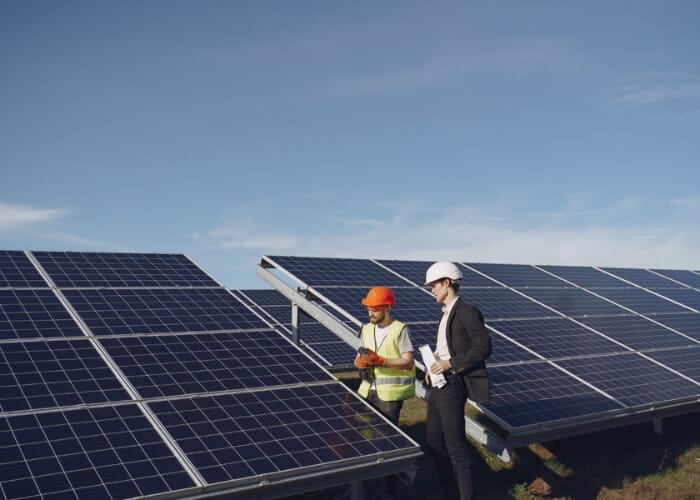
A business may need a solar system ranging from a small commercial setup to a large system covering a significant portion of its electricity demand. The right size depends on annual electricity use, available roof space, operating hours, solar conditions, and energy goals. A small office will have different needs from a warehouse or manufacturing facility.
For businesses considering commercial solar panels in Alberta, the best starting point is a review of electricity bills and the property itself. This information can show how much solar capacity may be suitable and whether the available space can support the planned system.
Understanding Commercial Solar System Capacity
Solar system capacity refers to the amount of electricity a solar system is designed to produce at its rated output. Commercial systems can vary greatly in size because businesses have different levels of electricity demand.
A small office may only need a relatively modest system. A large warehouse, retail facility, or industrial property may require much greater capacity because of lighting, heating, cooling, equipment, or production needs.
System capacity should therefore be based on the building’s actual energy profile. Floor area alone cannot determine the right size.
Starting With Business Electricity Use
Electricity consumption is the most useful starting point for solar system planning. Recent utility bills can show how much electricity a business uses over a full year.
Looking at yearly consumption gives a better picture than using one month’s bill. Energy demand can change with seasons, working hours, weather, production levels, and business activity.
A business operating during the day may also have a different energy profile from one operating around the clock. Understanding these patterns gives a clearer foundation for choosing an appropriate solar capacity.
Typical Commercial Solar System Sizes
Commercial solar systems can range from smaller installations to systems designed for large facilities. The appropriate range depends on the property’s electricity demand and available installation area.
Smaller commercial buildings may use systems in the tens of kilowatts. Medium-sized properties may require systems in the hundreds of kilowatts. Large industrial or commercial facilities can need significantly more capacity.
These ranges are examples rather than fixed recommendations. Two buildings of similar size can have very different electricity needs. A system should be selected according to actual consumption and site conditions.
Matching Capacity to the Type of Business
The type of business provides useful context when considering solar capacity. Different operations use electricity in different ways, so system requirements can vary significantly.
- Office buildings: Electricity is commonly used for computers, lighting, heating, cooling, and other office equipment.
- Retail properties: Lighting, refrigeration, heating, cooling, displays, and longer operating hours can increase demand.
- Warehouses: Large spaces may require substantial lighting, ventilation, equipment, and material-handling systems.
- Industrial facilities: Machinery and production equipment can create high electricity demand.
- Agricultural buildings: Pumps, ventilation, lighting, and other farm equipment can affect energy use.
These examples show why there is no universal commercial system size. The property’s actual electricity profile should guide the final capacity.
Roof Space and Available Installation Area
Electricity demand may suggest a certain system size, but the property must also have enough suitable space for the solar array. Roof size is therefore an important part of the planning process.
Not every section of a commercial roof can hold panels. HVAC equipment, vents, skylights, roof edges, access paths, and other structures can reduce usable space.
Ground-mounted options may be relevant for some properties with suitable land, while others may be limited to rooftop space. The available installation area should be reviewed before finalizing system capacity.
Solar Conditions in Alberta
Solar production varies throughout the year. Daylight hours, weather, panel direction, roof slope, and shading can all affect how much electricity a system produces.
Alberta offers strong solar potential, but summer and winter conditions are not the same. A commercial solar system should be planned using expected yearly production rather than assuming identical output every day.
For businesses exploring commercial solar panels in Alberta, local site conditions should be part of the capacity review. This creates a more realistic picture of how much electricity the planned system may produce.
Understanding the Right Commercial Solar System Size
The right commercial solar system size is the capacity that fits the business’s electricity use and property conditions. It should be large enough to provide useful solar production while remaining practical for the available installation area.
A business with high electricity demand and a large suitable roof may support a larger system. A smaller property with lower demand may need considerably less capacity.
Future business needs can also be considered during planning. Changes in operating hours, facility use, or electricity demand may affect the most suitable system size.
A Step-by-Step Guide to Solar Capacity Planning
A clear planning process can make commercial solar sizing easier to understand. Each stage provides information needed for the next decision.
1. Review electricity bills
Start by looking at recent electricity bills. Annual consumption provides a useful picture of the property’s energy demand.
2. Review building operations
Consider operating hours, equipment, seasonal changes, and other factors affecting electricity use.
3. Assess available space
Review the roof or other suitable installation areas. Identify equipment, shading, access areas, and other limitations.
4. Consider solar conditions
Panel direction, roof slope, shading, daylight hours, and local conditions can influence expected production.
5. Review the complete design
The final design should consider the building, electrical system, selected panels, installation area, and long-term energy goals together.
Why Professional System Sizing Matters
A general online estimate can provide a starting point, but commercial properties need a more detailed review. Building use, roof conditions, electricity demand, and solar conditions can differ greatly from one property to another.
Professional planning can identify these differences before installation begins. It can also provide a clearer understanding of the capacity the property can reasonably support.
For businesses considering commercial solar panels in Alberta, a property-specific assessment provides a stronger basis for making decisions than choosing a system based only on building size.
Frequently Asked Questions
What is a good solar system size for a commercial building?
There is no standard size. The right capacity depends on electricity use, available installation space, solar conditions, operating patterns, and the amount of electricity the business wants the system to produce.
How is commercial solar capacity determined?
Capacity is determined by reviewing electricity consumption, available roof or ground space, panel performance, solar conditions, and the property’s energy goals. These factors are considered together to create a suitable system design.
Can a business use a small solar system?
Yes. A small business can use a smaller system if its electricity demand and available installation space support it. System capacity can be planned around the property’s actual energy requirements.
Does a large business always need a large solar system?
Not necessarily. Business size alone does not determine solar capacity. Electricity consumption, building operations, usable installation space, and energy goals provide a better basis for determining the appropriate system.
What should a business check before choosing solar capacity?
Review annual electricity use, building operations, usable roof space, shading, roof conditions, solar conditions, and desired energy production. These details provide the information needed to create a practical solar system plan.
Final Thoughts
Choosing a commercial solar system is a property-specific decision. Electricity use provides the starting point, while roof space, business operations, solar conditions, panel selection, and energy goals shape the final capacity. There is no single system size suitable for every business. For companies considering commercial solar panels in Alberta, a detailed assessment can provide a clearer path toward a system designed for the property’s actual needs.
Plan the Right Solar Capacity
A well-sized solar system begins with accurate information about the business and its property. GlobalTech Group provides commercial solar solutions based on individual site requirements, helping businesses understand suitable capacity, available installation space, and practical system options for their facilities.